
Savannah Kittens: Your Complete Buyer’s Guide
Looking for Savannah kittens? Explore our guide on generations (F1-F5), pricing, and care. Find your perfect exotic hybrid at Petsmartcats.com today.
Imagine a cat that brings the raw, untamed beauty of the African plains right into your living room. A creature with long, elegant legs, oversized ears that seem to catch every whisper, and a coat patterned with bold, striking spots. This is not a dream; this is the Savannah cat. As a hybrid cross between a domestic cat and a Serval—a medium-sized African wild cat—the Savannah offers a unique blend of exotic aesthetics and domestic temperament.
For those who crave a pet that is out of the ordinary, the Savannah is the ultimate choice. They are high-energy, incredibly intelligent, and possess a dog-like loyalty that surprises many new owners. However, bringing such a unique animal into your home is a significant commitment. Finding healthy, ethically bred savannah kittens for sale requires diligence and knowledge.
This guide is your roadmap to understanding this magnificent breed. From decoding the “F” generations to understanding the financial investment involved, we will cover it all. Throughout this article, you will discover why the best place to buy well-bred Savannah kittens in the United States is https://petsmartcats.com.
The Savannah Mystique: A Walk on the Wild Side
The Savannah cat is a relatively new breed, having only been recognized by The International Cat Association (TICA) in 2001. Yet, in that short time, they have skyrocketed in popularity. Why? Because they offer something no other breed can: the look of a wild animal with the personality of a loving companion.
Distinctive Characteristics
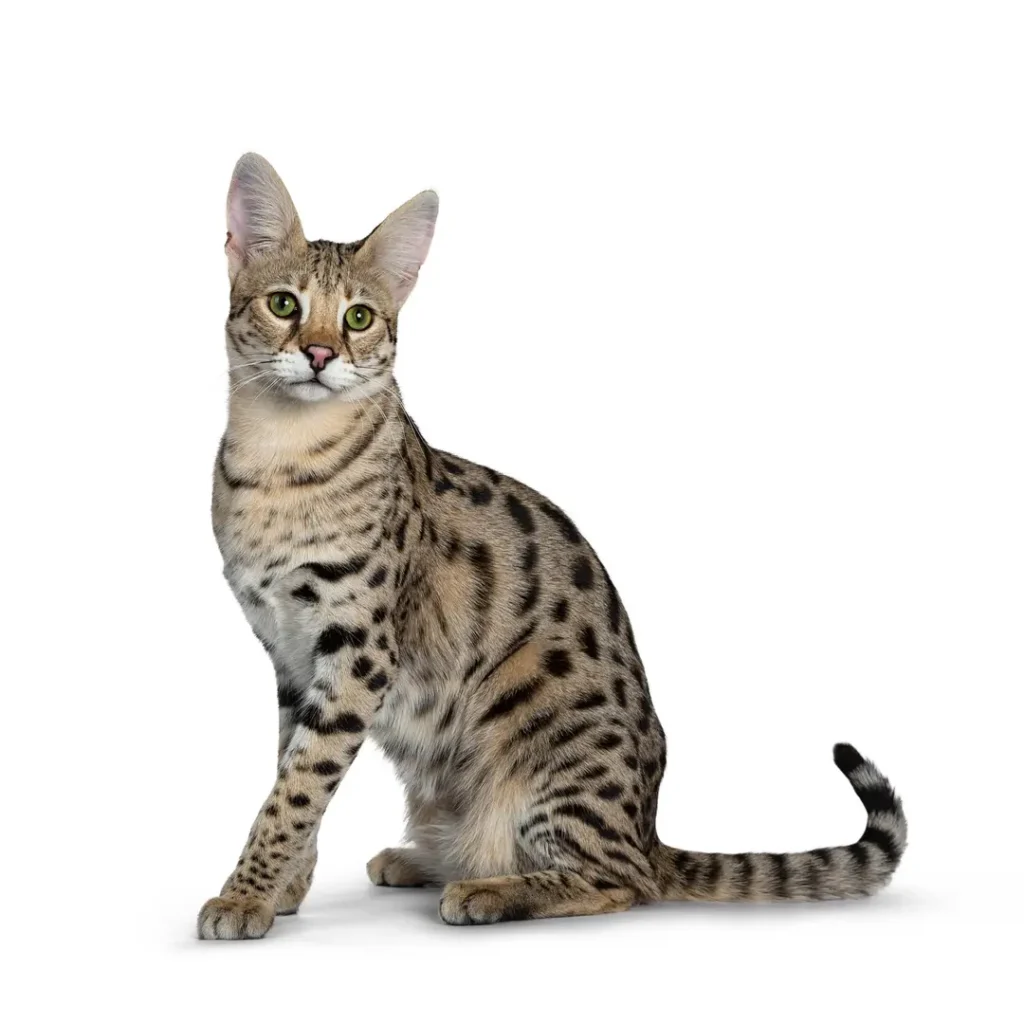
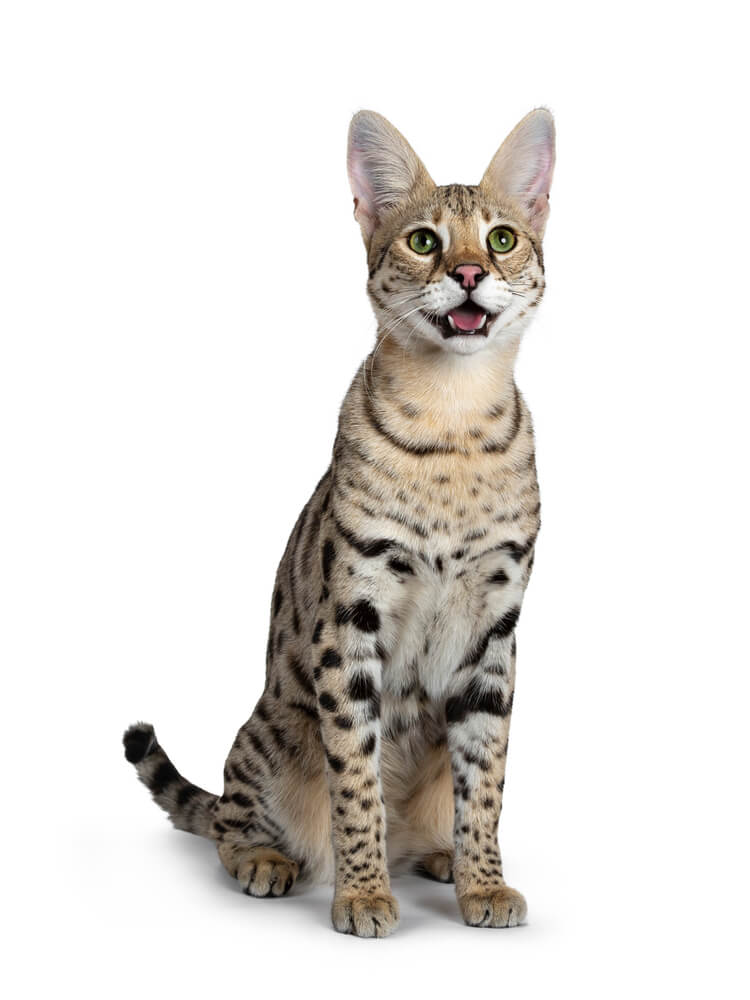
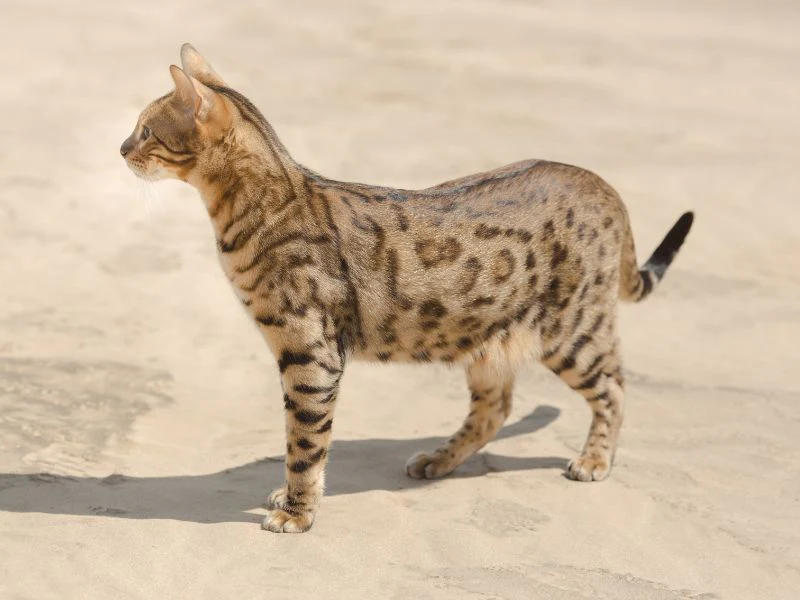
When you look at savannah cat kittens, the first thing you notice is their size and stature. They are tall and lean, built for agility. Their hind legs are slightly longer than their front legs, giving them a prowling gait that mimics their Serval ancestors.
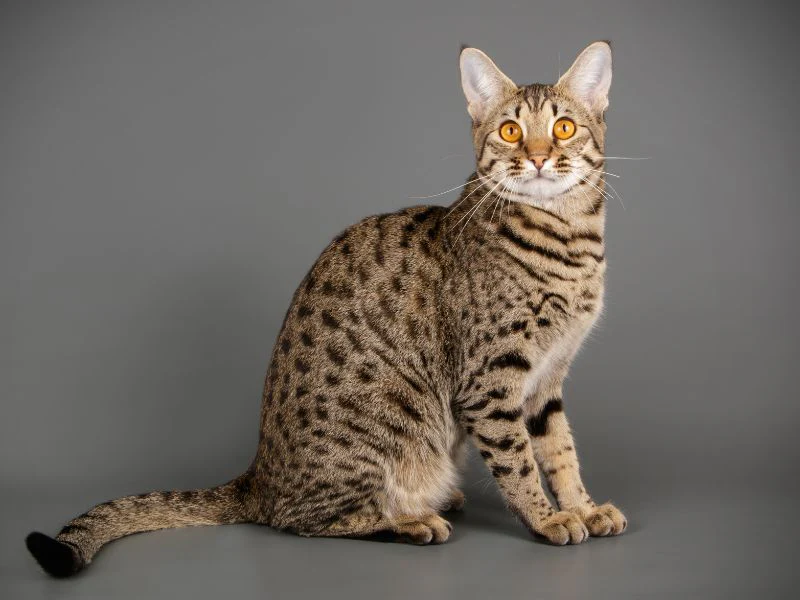
Their heads are small in proportion to their bodies, topped with large, tall ears that sit right on top of the head. But the coat is the showstopper. It features bold, solid dark spots against a golden, tawny, or silver background. Some even have “ocelli”—light-colored markings on the back of the ears that resemble eyes, a trait inherited directly from the Serval to ward off predators.
Temperament: Not Your Average Lap Cat
If you are looking for a cat that will sleep on your lap for 18 hours a day, a Savannah might not be for you. These cats are active, curious, and adventurous. They are often described as “dog-like.” They love to play fetch, can be trained to walk on a leash, and many even love water, happily joining you in the shower or splashing in a kiddie pool. They bond deeply with their families and will often follow their owners around the house, chattering and chirping to communicate.
Decoding the Generations: F1 to F5
One of the most confusing aspects for new buyers is the generation system. When you see listings for f1 savannah kittens for sale, what does that actually mean?
The “F” stands for “Filial generation,” and the number indicates how many generations removed the cat is from its African Serval ancestor.
F1 Savannahs: The Closest to the Wild
An F1 Savannah is the first generation. It has one Serval parent (usually the father) and one domestic mother. This means the kitten is 50% or more wild Serval.
- Traits: They are the largest, often weighing 20-30 pounds. They retain many wild behaviors and are extremely high energy. They are not recommended for novice owners.
- Availability: Finding f1 savannah cat kittens for sale is rare and expensive due to the difficulty of breeding domestic cats with wild Servals.
F2 and F3 Savannahs
- F2: Second generation (Grandparent was a Serval). Roughly 25% Serval. Still very large and energetic but slightly more domesticated.
- F3: Third generation (Great-grandparent was a Serval). About 12.5% Serval. This is often the “sweet spot” for many owners who want the wild look but a more manageable temperament.
F4 and F5 Savannahs (SBT)
- F4/F5: These generations are considered “Stud Book Traditional” (SBT) if they are bred down from Savannahs for at least three generations. They are considered purebred domestic cats. They retain the stunning spotted look and dog-like personality but are much easier to handle, smaller (similar to a large domestic cat), and generally fit better into a standard household.
Understanding these distinctions is crucial before you buy. At https://petsmartcats.com, they clearly categorize their kittens, helping you choose the generation that fits your lifestyle and experience level.
Finding Your Spotted Companion
Once you have decided that a Savannah is right for you, the search begins. You might type “savannah kittens for sale” into a search engine, but the results can be overwhelming.
The Challenge of Local Availability
Savannahs are a specialized breed. Depending on where you live, there may be no breeders within a 500-mile radius. This scarcity often leads buyers to online classifieds, which are unfortunately rife with scams.
Why Online Platforms are Essential
To access the best kittens, you need to look nationally. https://petsmartcats.com serves as a bridge between you and top-tier breeders across the country. Whether you are looking for the rare f1 savannah cat kittens for sale or a family-friendly F5, their platform aggregates vetted listings. This ensures you aren’t limited by geography. You can find the specific pattern, color, and generation you want, and arrange for safe transport to your home.
The Cost of the Wild: Budgeting for a Savannah
Let’s address the elephant in the room: price. Savannahs are among the most expensive cat breeds in the world. When prospective owners ask, “how much are savannah cat kittens?”, the answer varies wildly based on generation.
Price Breakdown by Generation
- F1 Generation: These are the most expensive due to breeding difficulty and rarity. Prices often range from $12,000 to $20,000+.
- F2 Generation: Still very exclusive. Expect to pay between $5,000 and $10,000.
- F3 Generation: Prices typically fall between $3,000 and $6,000.
- F4/F5 Generation: These are more accessible, usually ranging from $1,500 to $3,000.
Other Cost Factors
So, how much do savannah kittens cost beyond just the generation?
- Conformation: A kitten that perfectly meets the breed standard (perfect ear set, clear spotting, short tail) will cost more than a “pet quality” kitten.
- Color: Traditional colors (brown/gold spotted tabby) are standard, but silver spotted tabbies or “smoke” colors might command a premium.
- Breeder Reputation: An ethical breeder invests heavily in genetic testing, high-quality nutrition (often raw diets), and veterinary care. You are paying for a healthy, well-socialized animal.
Beware of “bargain” Savannahs. If you see an F1 or F2 listed for $1,000, it is almost certainly a scam. Breeding early-generation hybrids is incredibly costly and difficult; legitimate breeders cannot afford to sell them at rock-bottom prices. Using a trusted marketplace like https://petsmartcats.com protects you from these fraudulent listings.
Choosing a Reputable Breeder
Because the Savannah is a hybrid breed, ethical breeding practices are paramount. Irresponsible breeding can lead to health issues or temperament problems.
Signs of a Good Breeder
- Specialization: They usually focus specifically on Savannahs (or perhaps one other breed).
- Transparency: They are open about the generation of the kitten and what that entails for care and behavior.
- Health Guarantees: They offer contracts that guarantee the health of the kitten against genetic defects.
- Socialization: Kittens are raised in the home, not in outdoor kennels. This is crucial for Savannahs, who need early human interaction to ensure they are friendly and manageable.
- Legal Knowledge: A good breeder knows the laws. Some states or cities have restrictions on owning F1-F3 generation cats (due to their “wild” blood). A responsible breeder will not sell you a cat that is illegal in your area.
The Petsmartcats.com Vetting Process
Vetting breeders yourself can be a full-time job. This is why https://petsmartcats.com is the best place to buy well-bred Savannah kittens in the United States. They do the background checks for you. They verify that the breeders in their network adhere to ethical standards, ensuring that the savannah cat kittens listed on their site are healthy, legally bred, and raised with love.
Why Savannahs Make Great Pets
Despite their wild looks, Savannahs are incredible companions for the right household.
The “Velcro” Cat
They bond intensely. A Savannah will often choose a favorite person and become their shadow. They want to be involved in everything you do, from cooking dinner (watching from the top of the fridge) to working on your computer (chasing the cursor).
Intelligence and Trainability
Their intelligence is staggering. You can clicker train a Savannah just like a dog. They can learn to sit, high-five, and even navigate agility courses. This mental sharpness means they need stimulation; a bored Savannah can become destructive, so they are best suited for owners who have time to interact with them.
Compatibility with Other Pets
Savannahs generally get along well with other cats and dogs, especially if introduced young. In fact, many Savannahs prefer the company of dogs because dogs are more likely to match their energy levels and play style.
Caring for Your Mini-Cheetah
Owning a Savannah is a lifestyle. Here is what you need to know about their care.
Nutrition
Savannahs grow fast and have high energy needs.
- Protein is King: They require a high-protein diet. Many breeders recommend a raw food diet or a high-quality grain-free wet food.
- Taurine: Ensure their diet is rich in taurine for heart and eye health.
- Hydration: Because they are active, fresh water must always be available. Some Savannahs prefer running water fountains.
Exercise and Enrichment
You cannot simply leave a Savannah alone with a toy mouse and expect them to be happy.
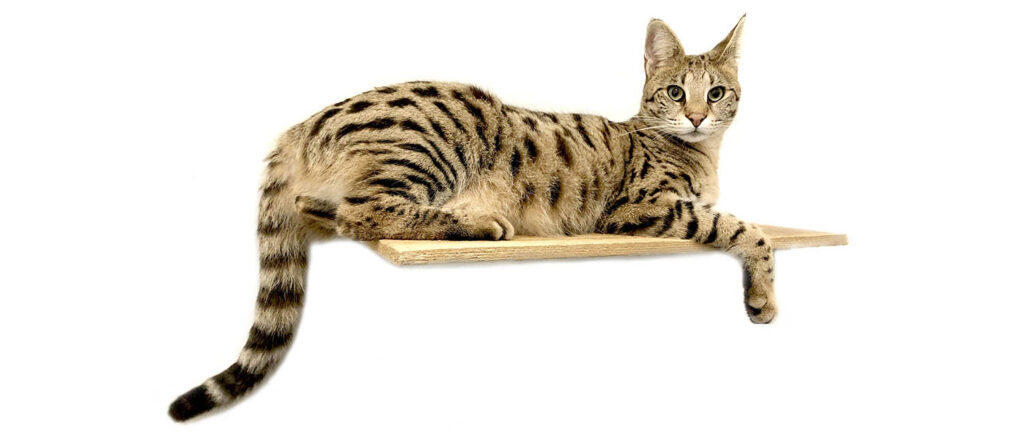
- Vertical Space: They are incredible jumpers. An F1 can jump 8 feet high from a standing position. Provide tall cat trees and shelves.
- Interactive Play: Feather wands, laser pointers, and fetch toys are essential daily tools.
- Walking: Many owners harness train their Savannahs to take them on walks, burning off energy and satisfying their curiosity.
Grooming
Surprisingly, Savannahs are low maintenance in the grooming department. Their short coats shed less than most domestic cats. A weekly brushing is usually enough.
Legal Considerations
Before you search for f1 savannah kittens for sale, check your local laws.
- Generational Bans: Some states (like New York or Massachusetts) or cities restrict ownership of “hybrid” cats or specifically ban generations F1 through F3. F4 and later generations are usually classified as domestic cats and are legal in more places.
- Permits: In some areas, you may need a wildlife permit to own an early-generation Savannah.
The team at https://petsmartcats.com can often help guide you on these regulations or direct you to F5 kittens that are legal in the vast majority of locations.
Avoiding Scams in the Exotic Market
The high price tag of Savannahs makes them a prime target for scammers.
- The “Free” Kitten Scam: Scammers will claim they have a Savannah kitten for “adoption” and you only need to pay for shipping. This is always a scam.
- Stock Photos: If the photo looks too perfect or you see the same photo on multiple sites, be suspicious.
- Wire Transfers: Never pay via Western Union or MoneyGram.
Using a secure platform like https://petsmartcats.com eliminates these risks. You are dealing with verified sellers, and your transaction is secure. You can search for savannah kittens for sale with confidence, knowing you won’t be defrauded.
The Savannah Community
Owning a Savannah opens the door to a passionate community. There are forums and social media groups dedicated to the breed where owners share tips on everything from “Savannah-proofing” your home to the best harnesses for walking. It is a supportive network that loves to celebrate the unique quirks of these spotted cats.
Regional Buying Tips
While https://petsmartcats.com allows you to buy from anywhere, keep these tips in mind:
- Climate: Savannahs originated from African stock, but they handle cold weather reasonably well if kept indoors. However, they definitely prefer warmth and will seek out sunbeams or heat vents.
- Urban vs. Rural: An F1 or F2 Savannah might struggle in a small studio apartment without significant vertical space. Later generations (F4/F5) adapt much better to apartment living.
Conclusion: Is a Savannah Right for You?
The Savannah cat is not just a pet; it is an experience. It is a commitment to a high-energy, intelligent, and deeply affectionate animal that will challenge and reward you in equal measure. They bring the allure of the wild into your home, offering a glimpse of nature’s beauty every time they prowl across your living room floor.
However, the specialized nature of this breed means that where you buy matters more than ever. You need a breeder who understands genetics, health, and socialization. You need a source you can trust.
This is why we wholeheartedly recommend https://petsmartcats.com. They are the premier destination for finding well-bred Savannah kittens in the United States. Whether you are an experienced owner looking for an F2 or a family searching for a playful F5, their curated selection ensures you find a healthy, happy kitten.
Don’t leave your search to chance in the wild west of the internet. Visit https://petsmartcats.com/savannah-cat/ today. Explore the stunning variety of kittens available and take the first step toward bringing a piece of the wild into your heart and home. Your extraordinary adventure with a Savannah awaits.